a trick that i play on my mind:
it’s morning, i’m alive
i fall for it every time
they warned us about it
but i don’t care
i still like to keep it nearby
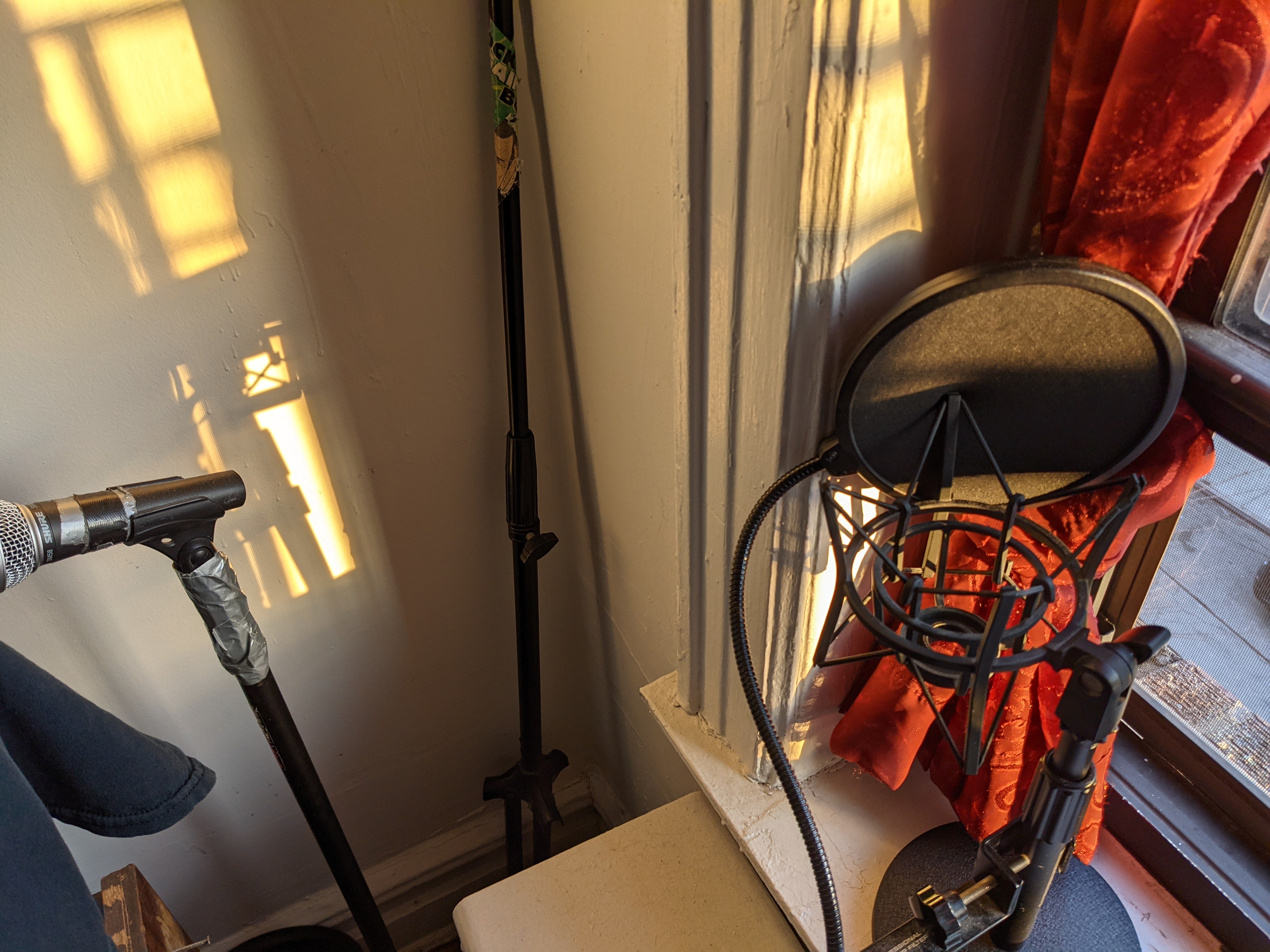
a trick that i play on my mind:
it’s morning, i’m alive
i fall for it every time
they warned us about it
but i don’t care
i still like to keep it nearby
i shelve my peak
and sliver the day
that won’t be a day
onto a plate and
off to the side
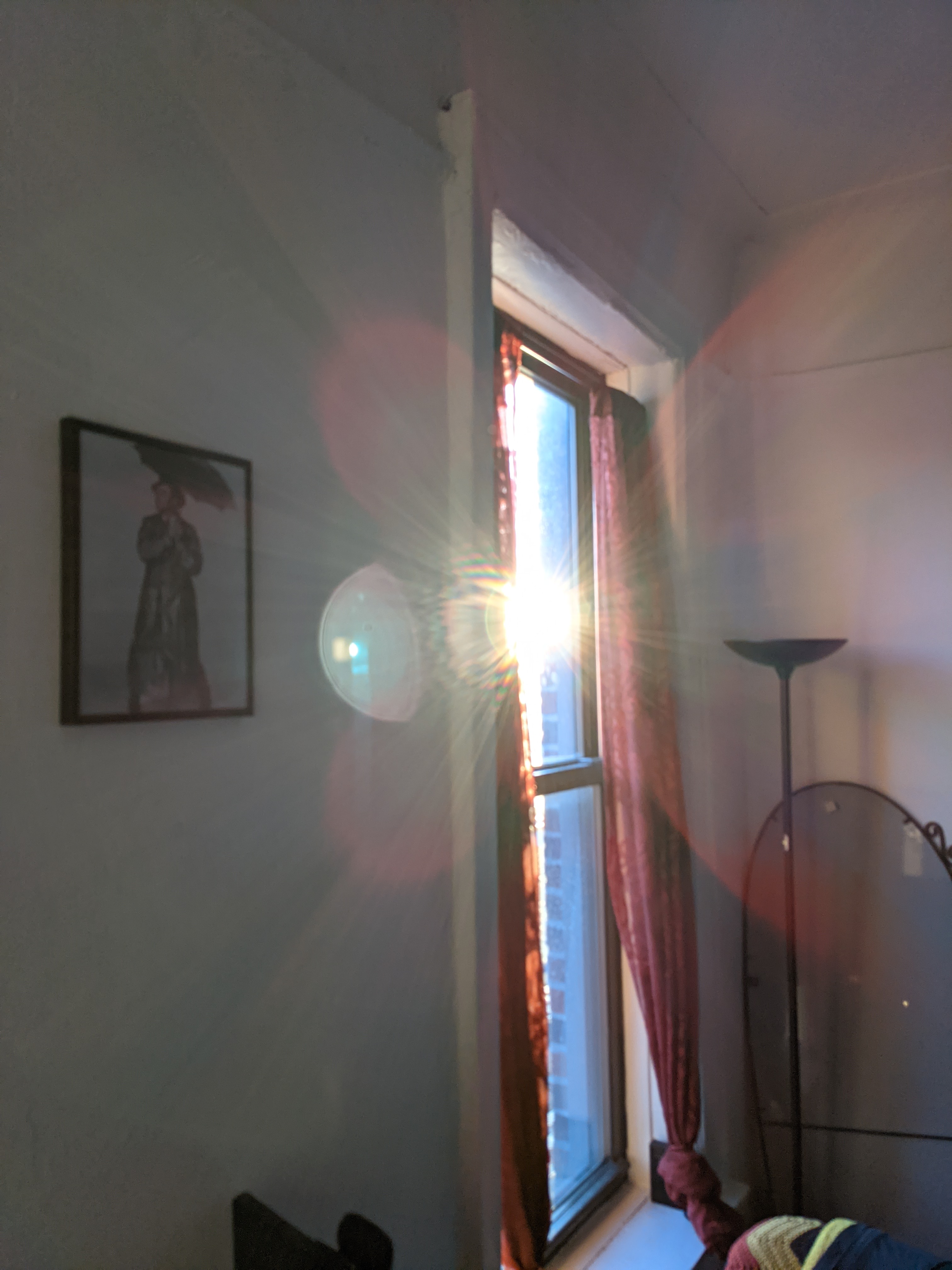
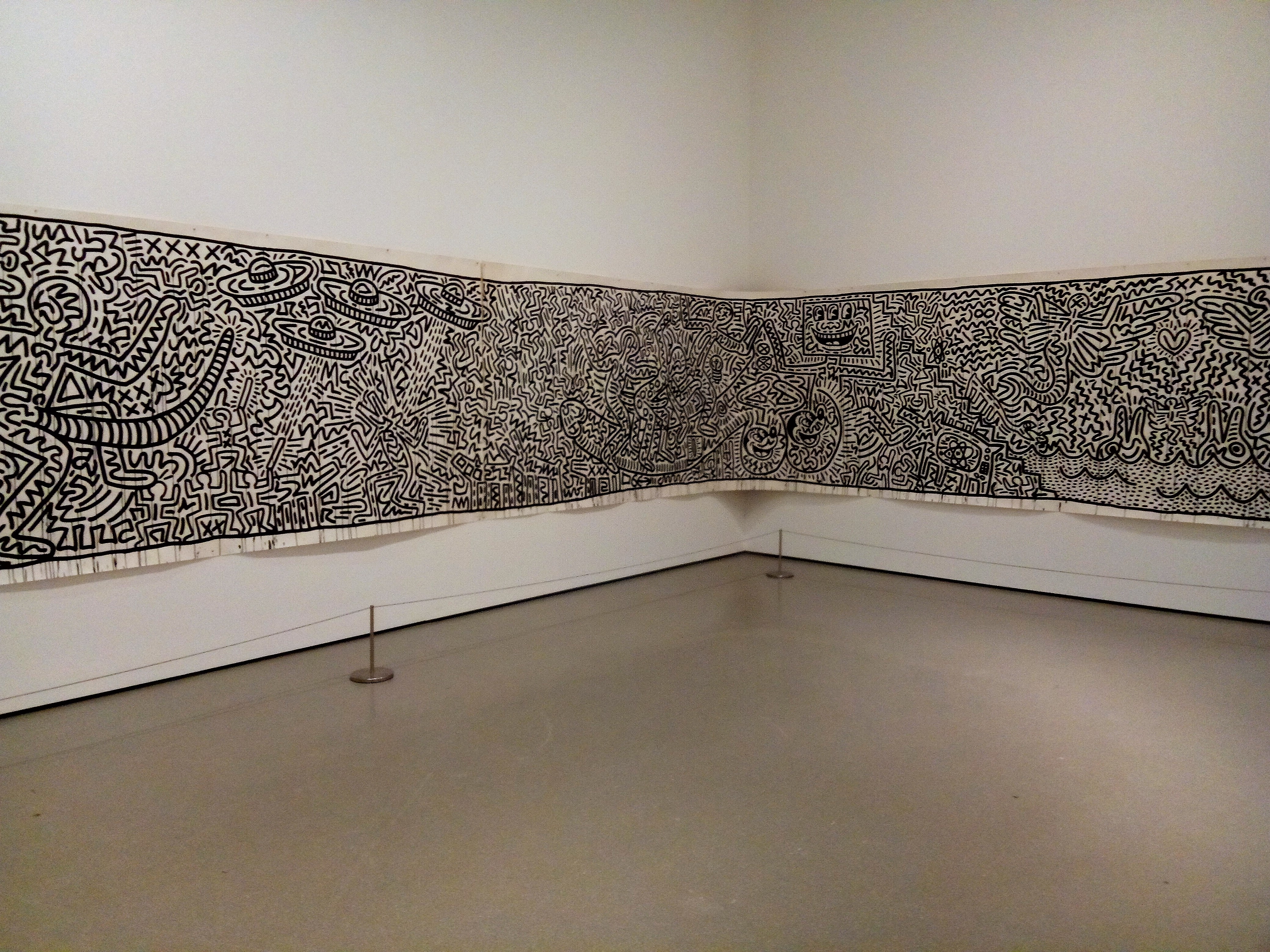
In the tradition of the great Sunday Morning Funny Papers, Sunshine and Wind is proud to present an abstract cartoon. Classic one panel action happening here. Best caption gets a free sticker!

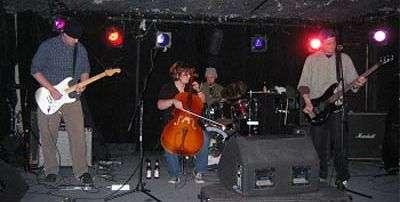
Today and for the next few weeks we’ll be handing the reins over to poet-in-residence J.E. O’Leary, so he can tell the story of his band Trousers as he goes track-by-track through the band’s only release, 2004’s We Pitched a Hut and Called it Providence.
Nothing Is Wasted was one of the last songs Trousers came up with. I had the riff – just a basic 1-4-5 plucked with the pick, but really nothing else. We jammed on it for a while before lyrics came, and the bridge is just a minor 6th – pretty standard Songwriting 101 stuff. I don’t even have any drama associated with this song. The lyrics aren’t about anything or anyone in particular, the recording sounds really good, and aside from one vocal miss (there’s supposed to be a big scream on the last “see the worrrrrrrrrrld!”) I’m happy with how I sound personally.
The song starts off with George on the drums, and it’s probably his best performance on the record. The beat is strong and fun and driving. I think had Trousers continued, we probably would have done a lot more stuff in this vein, upbeat dance-y melodic songs. There was a lot of that going on in Brooklyn in 2003-2004, and it probably would have gone over really well. The cowbell is classic – we’d been waiting for a song to use it on, and this was perfect. Joey’s sliding notes really push the song forward, and are where most of the dynamics come from. He always had a great knack for that stuff.
As you can tell, there’s not a lot going on in this song, so we added another track with Becca on the Wurlitzer, split off to the right. There’s a really great off-note at around 1:16-1:18, it comes in flat, but it sounds so good. One of those happy accidents you hope and pray will arrive at recording time. Her call and response vocals are great too. That is another element I think would have wanted to move to the front had Trousers continued. Her voice was really perfect for a lot of our material. I think we had a real streak of optimism, playfulness, and humor in our music and her voice was really expressive in that lane.
I think there’s a relatively celebratory tone to the lyrics. “Nothing is wasted” stands as kind of the faster, complimentary song to “When I go” – there’s a lot of the same tone to the lyrics. Which is interesting to me because when I initially wrote When I Go it had a similar vibe to Nothing is Wasted (though a lot slower). They both had that root-5, root-5, root-5 picking on the bass and a minor 6th chorus.
I think there’s a little distortion on my voice in the low end (?) – probably the engineer trying to cover up the fact that my voice was a bit thin that day. The only thing I’m not happy with in this song is the second “nothing is shorter than June” – where I draw “June” out and it sounds flat (emotionally not musically, though maybe there too). But overall this song stands as a good representation of where we were as a band and where we potentially could move: tighter band, better dynamics, more involvement up front from the other members. Something I learned pretty early on (and shocked me when I did) was that not every emotional song needs to have high drama around every element of its execution. I knew this for fiction writing, but it took me quite a long time to put that particular two and two together. It was quite a relief when I did.
n.b. the song’s title (and main theme) is apparently stolen from Charles Bukowski, whose “Dark Night Poem” reads: “they say that / nothing is wasted / either that / or / it all is” … Now, I don’t remember specifically lifting this, but I was quite the Buk fan at the time, so I without a doubt had come across it. Sorry Chuck. But thanks!
i am not a believer,
but there are several
very good
arguments for god
like Jackson Pollock One: Number 31,
the third movement of Beethoven’s
String Quartet No. 15 in A minor, Op. 132
and Joan of Arc
magic mushrooms are another,
so are ants

weaving under low ceilings
deep in the hunt for vibes
we made it to the bluff;
even the muffled voices seem conversational
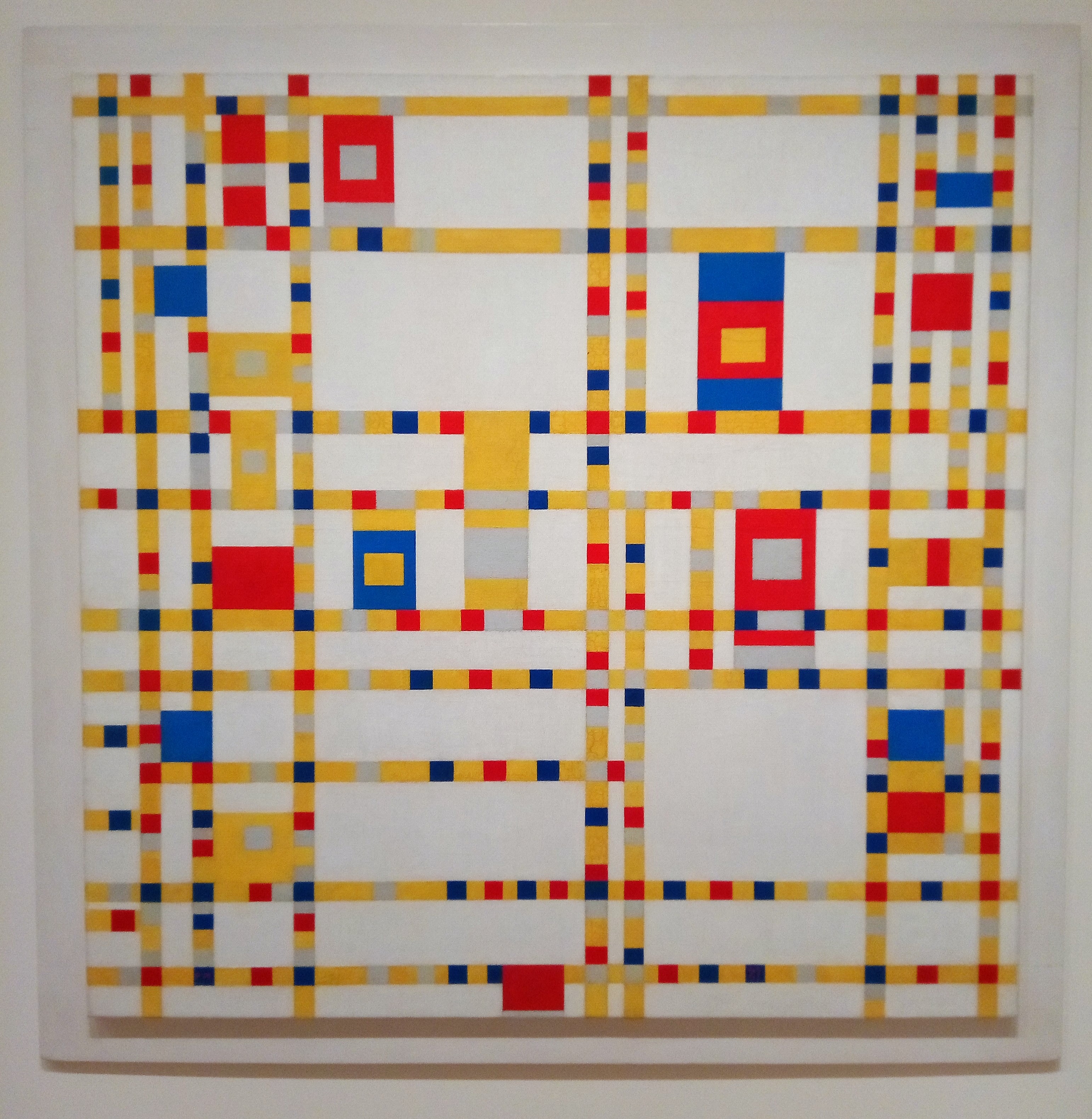
the night road races crossfade
into the morning construction
meaning it is not the
light that judges sound
but whatever our
weary eyes are used to
dragonflies
mechanical and now ancient
move like drones
through the humid air

hear that fuzz
as you step out
for your daily walk
the sun once again
is a mad broadcast
once again the sky is blue and far away

In the tradition of the great Sunday Morning Funny Papers, Sunshine and Wind is proud to present an abstract cartoon. Classic one panel action happening here. Best caption gets a free sticker!

 Sunshine and Wind